
How to Cook Alligator Filets: Cajun Garlic Butter Recipe
How to Cook Alligator Filets with Cajun Garlic Butter
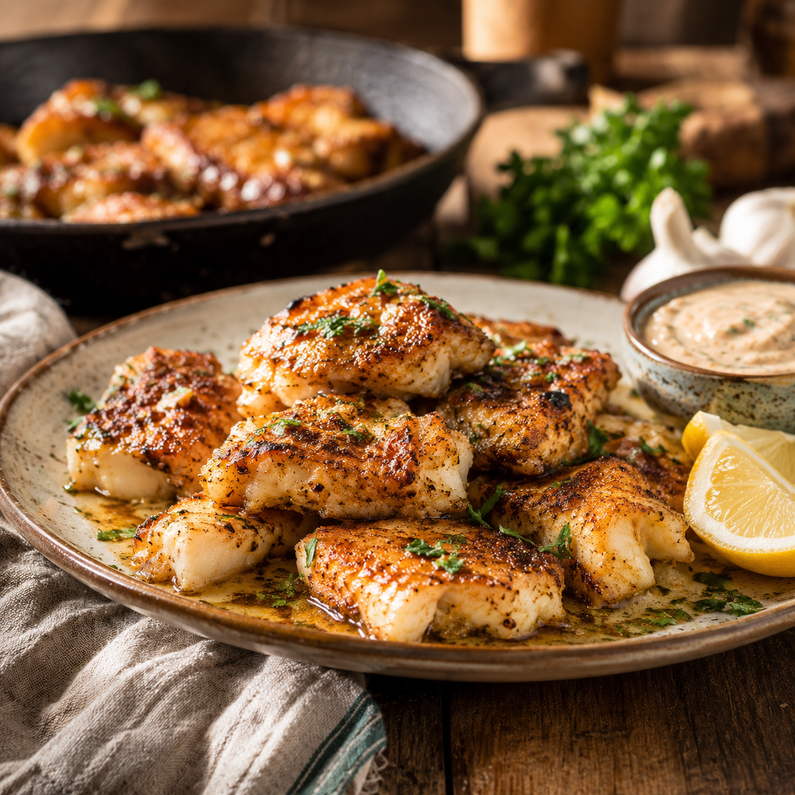
Alligator filets are lean, mild, and quick-cooking, which makes them perfect for a hot skillet, Cajun seasoning, garlic butter, lemon, and a good dipping sauce on the side. The trick is simple: season well, cook fast, and do not treat tender gator like it owes you money.
Why this recipe works: A short buttermilk and pickle juice marinade helps keep the filets tender, while a hot skillet gives the outside a golden Cajun crust. Garlic butter and lemon finish the dish without covering up the clean, mild flavor of the alligator.
Ingredients for Cajun Alligator Filets
This recipe uses one pound of alligator filets and keeps the method simple. Serve the filets whole, slice them into strips, or cut them into bite-size pieces for dipping.
Alligator and Quick Marinade
- 1 lb Alligator Filets 1lb, thawed in the refrigerator
- 1/2 cup buttermilk
- 2 tablespoons Cajun Chef Pickle Juice - 1 Gallon
- 1 teaspoon Crystal Hot Sauce 12oz
- 1/2 teaspoon Ragin Cajun 8oz "Chicken or Gator" Cajun Seasoning & Rub
Seasoning, Sear, and Finish
- 1 1/2 teaspoons Ragin Cajun 8oz "Chicken or Gator" Cajun Seasoning & Rub
- 1/2 teaspoon smoked paprika
- 1/4 teaspoon garlic powder
- 1/4 teaspoon black pepper
- 1 tablespoon olive oil, avocado oil, or another high-heat cooking oil
- 2 tablespoons unsalted butter
- 2 cloves garlic, minced
- 1 tablespoon fresh lemon juice
- 1 tablespoon chopped parsley
- Lemon wedges, for serving
- Louisiana Fish Fry Remoulade Sauce 10.5oz, for dipping
Step-by-Step Instructions
- Thaw and prep the alligator.
Thaw the alligator filets overnight in the refrigerator. Remove from the package, drain off excess liquid, and pat very dry with paper towels. If the pieces are uneven, cut larger filets into similar-size strips so they cook at the same pace. - Marinate briefly.
In a bowl, stir together the buttermilk, pickle juice, hot sauce, and 1/2 teaspoon Cajun seasoning. Add the alligator filets and refrigerate for 20 to 30 minutes. Keep it short so the meat stays tender without getting mushy. - Drain and season.
Remove the alligator from the marinade and pat dry again. Mix the Cajun seasoning, smoked paprika, garlic powder, and black pepper. Sprinkle evenly over both sides of the filets. - Heat the skillet.
Place a cast-iron skillet or heavy stainless skillet over medium-high heat. Add the oil and heat until it shimmers. The pan should be hot enough to sear, but not so hot that the seasoning burns on contact. - Sear the filets.
Add the alligator filets in a single layer, leaving space between pieces. Cook for 2 to 4 minutes per side, depending on thickness, until golden on the outside and nearly cooked through. Work in batches if needed so the pan stays hot. - Finish with garlic butter.
Lower the heat to medium. Add the butter and minced garlic to the skillet. Spoon the melted garlic butter over the alligator for about 1 minute, then squeeze in the lemon juice. - Check doneness and rest.
Cook until the thickest pieces reach 165°F and the meat is opaque, firm, and still juicy. Transfer to a plate and rest for 3 to 5 minutes before slicing or serving. - Serve hot.
Sprinkle with parsley and serve with lemon wedges and remoulade sauce. For party portions, slice into strips and serve with toothpicks, because tiny sticks apparently make everyone feel fancy.
Quick grill method for alligator filets
Preheat the grill to medium-high heat and oil the grates well. Season the alligator filets, then grill until golden outside and cooked through to 165°F. Rest for 3 to 5 minutes before serving.
Optional fried alligator bites variation
Cut the filets into bite-size pieces, dip in buttermilk, coat with Louisiana Fish Fry Cajun Fry 10oz, and fry at 350°F until golden and cooked through to 165°F. Serve with remoulade or Cajun dipping sauce.
Louisiana Cooking Tips for Tender Alligator
Shop This Recipe
These Creole.net products fit naturally with Cajun alligator filets, whether you are pan-searing, grilling, or making fried gator bites.
The main ingredient for this recipe. Lean, mild, and easy to cook in a skillet, on the grill, or as fried bites.
Shop Alligator FiletsA gator-friendly Cajun rub with garlic, onion, paprika, butter flavor, lemon, and spices.
Shop Gator SeasoningUse a splash in the quick marinade to add tang and help the alligator stay tender before cooking.
Add Pickle JuiceA classic Louisiana hot sauce for the marinade, the finished filets, or the remoulade on the side.
Shop Hot SauceCreamy, tangy, and perfect for dipping skillet-seared alligator filets or fried gator bites.
Shop RemouladeUse this if you want to turn the filets into crispy fried alligator bites for appetizers or party trays.
Try Fried Gator BitesServing Suggestions
Cajun alligator filets are flexible enough for a main dish, appetizer, taco night, or cookout plate.
- Serve with dirty rice, jambalaya, or red beans and rice.
- Add grilled onions, bell peppers, and lemon wedges.
- Slice into strips and serve with remoulade for dipping.
- Use cooked alligator in tacos with cabbage slaw and hot sauce.
- Build a Louisiana-style po' boy with lettuce, tomato, pickles, and remoulade.
- Pair with Cajun potato salad or a simple green salad.
- Serve as an appetizer for tailgates, Mardi Gras parties, or backyard cookouts.
- Add extra Crystal Hot Sauce at the table for more heat.
Storage and Reheating
Refrigerator Storage
Store cooked alligator filets in an airtight container in the refrigerator for up to 3 days. Let the meat cool before sealing the container.
Freezer Storage
Freeze cooked alligator for up to 2 months. Wrap tightly, then place in a freezer bag or airtight container. Thaw overnight in the refrigerator before reheating.
Best Reheating Method
Reheat gently in a skillet over low heat with a small pat of butter, or use an air fryer at 300°F until warmed through. Keep the heat gentle so the meat does not dry out.
What Not to Do
Avoid microwaving too long. It can make lean alligator tough and chewy, and then everyone has to pretend that was the plan.
How to Cook Alligator Filets FAQs
What do alligator filets taste like?
Alligator filets are mild, lean, and slightly sweet, with a texture often compared to chicken. They take well to Cajun seasoning, garlic butter, lemon, hot sauce, and remoulade.
How long do you cook alligator filets?
In a hot skillet, most alligator filet pieces cook in about 2 to 4 minutes per side depending on thickness. Cook until the thickest pieces reach 165°F.
Should I marinate alligator before cooking?
A short buttermilk marinade can help keep alligator tender. Adding a little pickle juice and hot sauce brings tang and Louisiana flavor. Keep the marinade short, about 20 to 30 minutes.
Can I grill alligator filets?
Yes. Season the filets, oil the grill grates, and grill over medium-high heat until cooked through to 165°F. Rest the filets for 3 to 5 minutes before serving.
Can I fry alligator filets?
Yes. Cut the filets into bite-size pieces, dip in buttermilk, coat in Cajun fry mix or seasoned flour, and fry until golden and cooked through to 165°F. Serve with remoulade sauce.
Why is my alligator tough?
Alligator usually gets tough from overcooking or cooking too slowly in a crowded pan. Pat it dry, use high heat, cook in a single layer, and rest it briefly before serving.
Recent Posts
-
Can you make gumbo ahead of time and reheat it for a holiday dinner?
Yes, you can make gumbo ahead of time for a holiday dinner. Cook it fully, divide it into shallow co …Oct 8th 2026 -
Best 8 Cajun sausages to order online in 2026
Best overall: andouille for gumbo. Best for a rice-filled sausage lunch: pork boudin. Best for grill …Oct 2nd 2026 -
The History of Pat O’Brien’s Hurricane and How to Make It at Home
Few cocktails carry as much cultural legacy as the Hurricane. Originating in the heart of the French …Aug 7th 2026